Emergency Response From First Call to Full Restoration
Georgia storms move fast and hit hard. When a storm damages your roof, floods your basement, or drives water through broken windows, our certified team responds immediately — securing your property and restoring it completely.
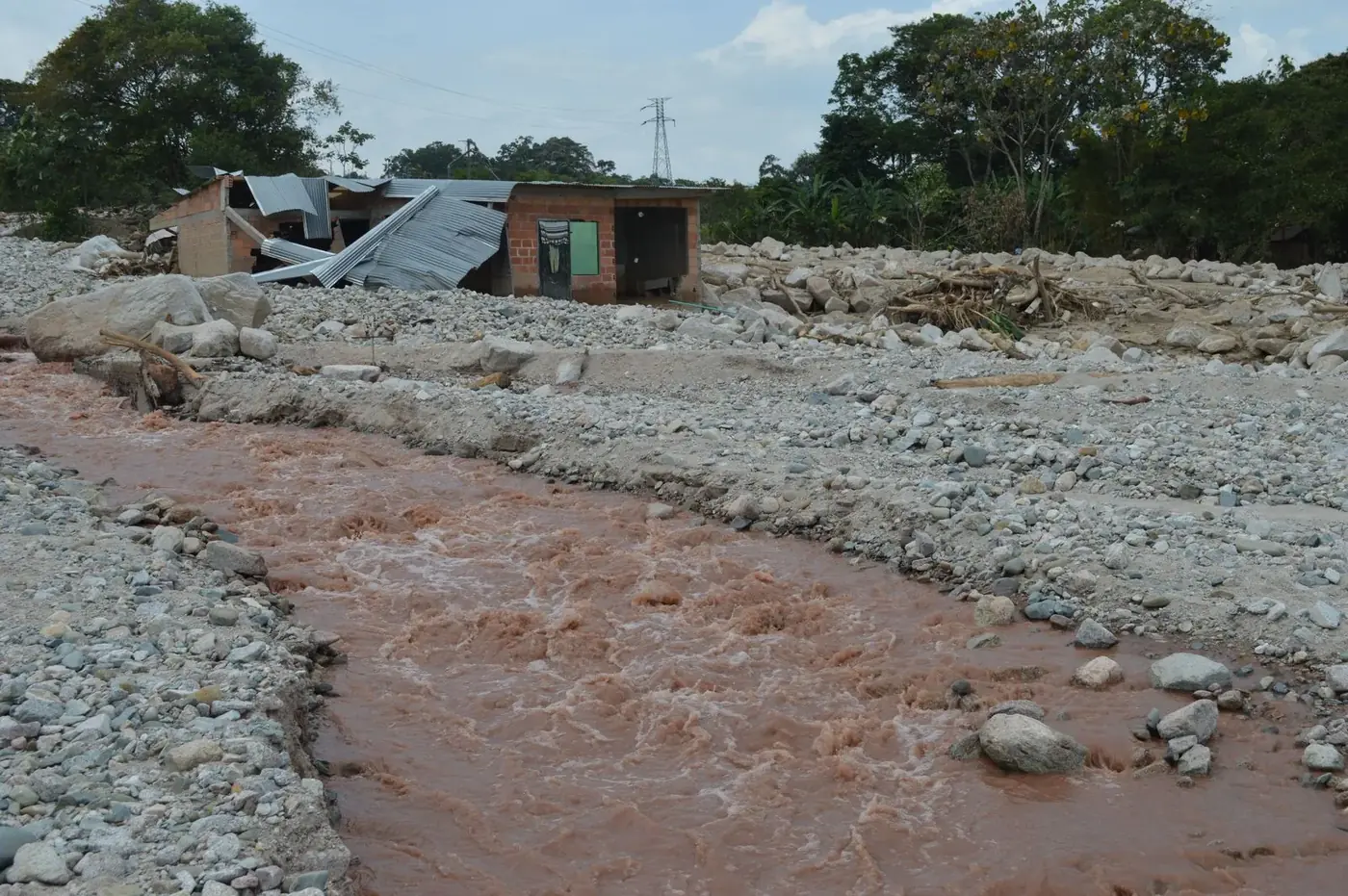
Downed power lines, unstable roofing, and flying debris make storm damage sites genuinely dangerous. Stay clear until it's assessed.
Live dispatcher — available 24/7, including holidays.
Request Free Inspection →Storm damage restoration is the complete process of securing, cleaning, drying, and repairing a property after a severe weather event — from the initial emergency response through full structural repair. Unlike a standard water damage job, storm restoration often involves multiple types of damage happening simultaneously: roof breaches that let rain in, flooding from overwhelmed drainage, broken windows from wind, and debris damage to structural elements.
In Lilburn, GA and across Gwinnett County, severe weather is a regular seasonal reality. Summer thunderstorms can drop several inches of rain in under an hour. Tropical systems that weaken over land still carry enough moisture to cause significant flooding and structural damage. Neighborhoods near the Yellow River and its drainage tributaries face elevated flood risk after major rainfall events. Older homes with mature trees face tree-fall and debris risk that newer developments don't.
What makes storm damage uniquely urgent is that the damage compounds with delay. A roof breach that isn't tarped lets every subsequent rain event cause additional damage. Standing water from flooding spreads into walls and subfloor with each passing hour. And mold in Georgia's humidity can begin growing within 24 to 48 hours of water exposure, which is why our structural drying starts the same day we tarp your roof. Speed of response — and completeness of restoration — determine the final cost and scope of repairs.
High winds from thunderstorms and tropical systems can damage or remove shingles, lift flashing, and cause tree limbs or entire trees to fall on roofs. Any roof breach — even a small one — allows water to enter and spread through ceiling joists, insulation, and walls with every rain event until it's properly sealed.
Gwinnett County's summer thunderstorms can overwhelm drainage systems and cause flash flooding in low-lying areas and neighborhoods near the Yellow River. Basements, crawl spaces, and ground-floor rooms can fill with water faster than homeowners can respond — and the water is often contaminated with runoff from outside, requiring our dedicated flood damage restoration service. Our Georgia storm damage guide covers what to expect after a major weather event.
Hail damages roofing, siding, gutters, and HVAC equipment — creating entry points for water that may not be immediately obvious but cause significant interior damage over time. Window seals broken by hail impact can also allow moisture infiltration into wall cavities during subsequent rain events.
Missing shingles, visible holes or penetrations in the roof, damaged fascia or gutters, broken windows, or visible debris impact on structural elements all require immediate professional assessment to stop further damage.
Water stains on ceilings or walls after a storm, standing water in basements or crawl spaces, wet insulation, or moisture coming through window or door frames are all signs that water has entered and is actively damaging your structure.
Flickering lights, tripped breakers that won't reset, or any sign of water near electrical panels or outlets after a storm require immediate attention — water and electricity together create serious safety hazards that must be addressed before other restoration work begins.
A few smart steps in the first few minutes can limit damage and keep everyone safe. Here's what we recommend while you wait for our team.
Storm damage rarely comes in just one form. We handle all of it under one roof — no need to coordinate multiple contractors for a single event.
Temporary tarping to stop active water intrusion through a damaged roof — critical in the first hours after storm damage before permanent repairs can begin.
Industrial extraction and structural drying to remove storm water that entered through damaged roof, windows, or foundation — with daily moisture monitoring.
Thermal imaging and moisture mapping to find hidden water damage in walls, ceilings, and floors beyond what's visible after the storm.
Removal of storm debris — tree branches, broken glass, damaged building materials — from inside and around the property before restoration work begins.
Fast drying and antimicrobial treatment to prevent mold from developing in storm-saturated materials — especially important in Georgia's humid climate.
Complete restoration of damaged drywall, flooring, ceilings, and structural elements after drying is confirmed — restoring your home to its pre-storm condition.
A coordinated response from emergency stabilization through complete restoration — all under one team, one point of contact.
We assess all storm damage — structural, water intrusion, and hidden moisture — using thermal imaging and moisture meters to map the full scope before any work begins.
Roof tarping, board-up, and debris removal to stop active water intrusion and secure the property against further damage from subsequent rain events.
Industrial pumps and vacuums remove standing water immediately, stopping it from spreading further into your home's structure while damage documentation is completed.
Commercial air movers and dehumidifiers dry structural materials with daily moisture monitoring — confirmed dry by meters, not appearance or elapsed time.
All affected surfaces are cleaned and treated with antimicrobial solutions — especially important when storm water carried contamination from outside the home.
Full structural repair and a complete documentation package — photos, moisture logs, damage reports — provided for your insurance claim and your own records.
After a storm, many homeowners call a general handyman or separate contractors for roofing, water damage, and repairs. That approach means multiple coordination points, inconsistent documentation, and gaps between services. We handle storm restoration from start to finish — one call, one team.
We prioritize storm calls and dispatch immediately — because every hour after a storm creates more damage.
Certified technicians trained for multi-damage storm scenarios — not a single-trade contractor.
Full pre-mitigation documentation, adjuster coordination, and direct billing so your claim is processed correctly.
Industrial equipment for large-volume extraction and structural drying — the scale storm damage requires.
We don't close a storm job until every affected area is fully dried, repaired, and verified — not just cleaned up.
We provide a free on-site assessment and estimate before any work begins.
Documenting damage before temporary repairs begin is critical — we handle this as our first step.
Storm Damage Restoration isn't one-size-fits-all — a home and a business have different priorities, timelines, and documentation needs. Here's how we tailor our approach for each.
A single storm can damage roofs, siding, and interiors across an entire apartment complex or shopping center at once. We prioritize emergency tarping across every affected building first, then move into full restoration — with one property manager point of contact managing the whole job.
We work with property managers, HOA boards, and building owners across Gwinnett County — call ahead to set up your property on file for priority emergency response.
Request a Property Management QuoteWe're based at 733 Mary St NW, Lilburn, GA 30047. We know which Gwinnett County neighborhoods are most vulnerable to specific storm impacts — faster, more targeted response when every minute counts after a storm.
Established DeKalb County community.
View Storm Damage Restoration in Tucker →Dense residential and commercial Gwinnett city.
View Storm Damage Restoration in Norcross →Large Gwinnett residential community.
View Storm Damage Restoration in Snellville →Gwinnett County seat.
View Storm Damage Restoration in Lawrenceville →Western DeKalb, near Lilburn border.
View Storm Damage Restoration in Stone Mountain →Northwest Gwinnett near Chattahoochee.
View Storm Damage Restoration in Duluth →"A tree limb came through our roof during a storm and they were there within 2 hours to tarp the roof and start assessing the water damage inside. Handled the whole thing professionally from tarp to final repair."
"After a major storm, our basement had 6 inches of standing water. The team arrived fast, extracted everything, and showed us the moisture readings inside our walls so we could see exactly what the damage was. Insurance covered everything."
"Water Damage Fix Team handled the storm documentation, insurance billing, and all the repairs. Having one team handle everything instead of coordinating multiple contractors made a stressful situation so much easier to manage."
Every hour after a storm creates more damage. Call Water Damage Fix Team for 24/7 emergency storm response across Lilburn, GA and Gwinnett County — from first call to final repair.
Call Now: (470) 275-1049 Request Free InspectionStorm damage restoration begins with emergency roof tarping within hours to stop ongoing water intrusion, followed by extraction, structural drying (3–5 days), and full repairs. Standard homeowners insurance typically covers wind damage and resulting water intrusion.
| First Response | Emergency roof tarping within hours |
| Response Time | Under 60 minutes dispatch, 24/7 |
| Drying Timeline | 3–5 days after extraction |
| Insurance | Wind + resulting water intrusion typically covered |
| Documentation | Pre-mitigation photos before any work begins |
 Water Damage