Fast Response, Complete Cleanup, Full Insurance Support
Floodwater moves fast and carries more than just water — it brings contamination, structural risk, and a narrow window to prevent mold. Our certified team responds immediately, extracts the water, sanitizes every surface, and handles your claim.
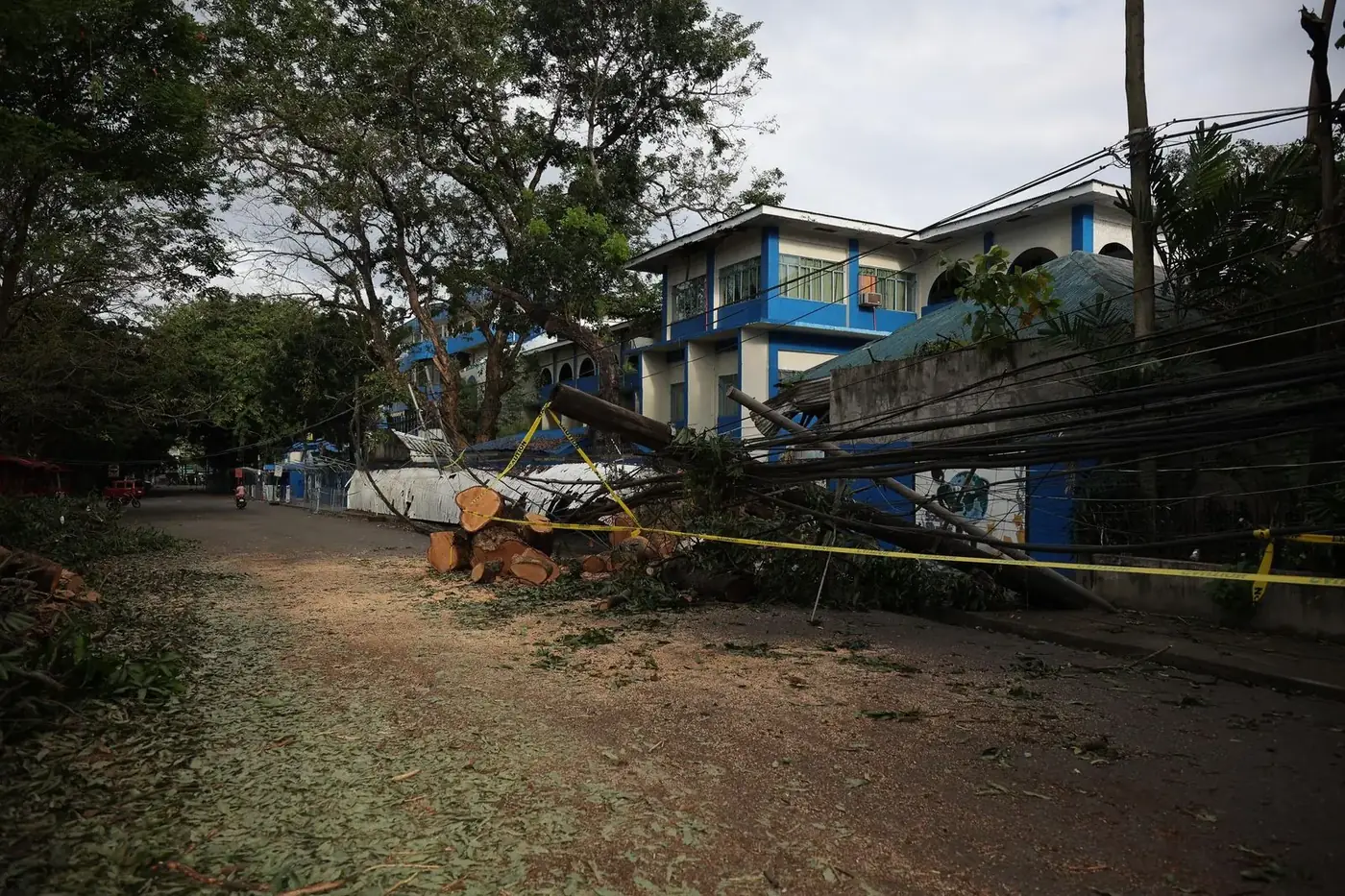
Floodwater can carry contamination and rises fast. Get everyone safe first, then call us — we handle the rest.
Live dispatcher — available 24/7, including holidays.
Request Free Inspection →Flood damage restoration is the process of safely removing floodwater, decontaminating affected areas, drying the structure completely, and repairing what was damaged — bringing your home back to its pre-flood condition. It's a more complex process than standard water damage cleanup because floodwater from outside your home is often contaminated with bacteria, sewage, and debris that require professional handling.
In Lilburn, GA and across Gwinnett County, flash flooding after heavy summer storms is one of the most common causes of significant residential water damage. The Yellow River and its drainage systems can overflow quickly during intense rainfall, affecting basements, crawl spaces, and ground-floor rooms in neighborhoods throughout the area. Older homes with aging drainage infrastructure or below-grade basements are particularly vulnerable.
The critical factor with flood damage is time. Every hour floodwater sits in your home, it spreads further into walls, subfloor, and framing — which is why our structural drying service starts the same day. Georgia's humidity means mold can begin developing within 24 to 48 hours of exposure — faster than most homeowners expect.
Gwinnett County experiences intense thunderstorms that can drop several inches of rain in a short period. Roof leaks and wind damage from these events are covered under our separate storm damage restoration service. When drainage systems are overwhelmed, water enters homes through basement windows, foundation cracks, and low-lying entry points — particularly in neighborhoods near the Yellow River.
Many Lilburn homes rely on sump pumps to keep basements dry during heavy rain. Our basement flood cleanup guide explains what to do first. A failed pump — from a power outage, mechanical failure, or simply being overwhelmed — can result in significant basement flooding within hours during a major storm event.
Poor grading around the foundation, clogged gutters, and deteriorating waterproofing allow water to seep through foundation walls and floor slabs. These issues often go undetected until a major rainfall event reveals the extent of the problem.
Not every flood situation is obvious. Here are the three key categories of signs that tell you professional restoration is needed — not a DIY cleanup:
Any standing water in your basement, crawl space, or living areas after a storm — regardless of how shallow it appears. Floodwater spreads into subfloor and wall cavities faster than it looks.
Dark or murky water, a sewage smell, or visible mud and debris inside the home are signs of contaminated floodwater — which requires our sewage cleanup and biohazard handling, not just a mop and bucket.
Warped flooring, soft drywall, stained baseboards, and peeling paint after a storm or flooding event indicate water has already been absorbed into structural materials and needs professional extraction and drying.
A few smart steps in the first few minutes can limit damage and keep everyone safe. Here's what we recommend while you wait for our team.
Flood cleanup requires a more thorough approach than standard water damage — contamination control and complete sanitization are critical steps that many companies skip.
We assess the full scope of flood damage using moisture meters and thermal imaging — mapping where water has traveled inside walls, subfloor, and insulation beyond what's visible.
Industrial pumps and vacuums remove standing floodwater along with any mud, debris, and contaminated materials carried in from outside. We separate salvageable furniture, electronics, and belongings for specialized cleaning from anything too contaminated to safely keep.
Commercial air movers and dehumidifiers dry structural materials at every level. We monitor moisture readings daily until all affected areas reach safe levels.
Every surface the floodwater contacted is treated with EPA-registered antimicrobial disinfectants — eliminating bacteria, pathogens, and contamination from outside sources.
Once the space is fully dry and sanitized, we repair or replace damaged drywall, flooring, insulation, and structural elements to restore your home completely.
A complete documentation package — photos, moisture logs, sanitization records — is provided for your insurance claim and your own records.
Flood cleanup done wrong just hides the problem. A company without proper extraction equipment or contamination protocols can leave your home looking clean while bacteria and moisture remain inside the structure.
We prioritize storm and flood calls — dispatching within 60 minutes any time of day or night.
Certified technicians trained specifically in flood and contaminated water restoration.
Full claim documentation, adjuster coordination, and direct billing — no out-of-pocket cost in most cases.
Industrial equipment for large-volume extraction — not consumer-grade gear that leaves moisture behind.
We don't close a flood job until moisture readings confirm the structure is fully dry and sanitized.
Understanding what flood damage will cost — and what your insurance covers — is one of the first things homeowners need to know after a flooding event.
We provide a free, no-obligation on-site inspection so your estimate reflects your actual situation — not an industry average.
Not sure what your policy covers? Call us — we help homeowners navigate their coverage before any work begins, and bill insurers directly when coverage applies.
Flood Damage Restoration isn't one-size-fits-all — a home and a business have different priorities, timelines, and documentation needs. Here's how we tailor our approach for each.
A single flood event in a multi-unit building can affect basements, parking garages, and several units simultaneously. We coordinate directly with property managers to triage which units need immediate extraction, keep residents informed, and produce one consolidated set of documentation instead of a separate report per unit.
We work with property managers, HOA boards, and building owners across Gwinnett County — call ahead to set up your property on file for priority emergency response.
Request a Property Management QuoteWe're based at 733 Mary St NW, Lilburn, GA 30047 and know which neighborhoods in Gwinnett County flood hardest after a major storm — meaning faster, more targeted response when every minute counts.
Established DeKalb County community.
View Flood Damage Restoration in Tucker →Dense residential and commercial Gwinnett city.
View Flood Damage Restoration in Norcross →Large Gwinnett residential community.
View Flood Damage Restoration in Snellville →Gwinnett County seat.
View Flood Damage Restoration in Lawrenceville →Western DeKalb, near Lilburn border.
View Flood Damage Restoration in Stone Mountain →Northwest Gwinnett near Chattahoochee.
View Flood Damage Restoration in Duluth →"Our basement flooded after a major storm and they were on-site within the hour. Extracted the water, handled the contamination, and took care of everything with our insurance. Incredible response."
"Sump pump failed during a storm and I had 4 inches of water in my basement. Water Damage Fix Team came out at midnight, extracted everything, and monitored the drying for 5 days. Very professional."
"They found moisture inside our walls that we had no idea was there after the flood. The documentation they provided was exactly what our insurance adjuster needed to approve the claim the same week."
Floodwater spreads and contaminates fast. Don't wait — call Water Damage Fix Team for 24/7 emergency flood response across Lilburn, GA and Gwinnett County.
Call Now: (470) 275-1049 Request Free InspectionFlood damage restoration begins with emergency extraction within 60 minutes of your call. Structural drying takes 3 to 5 days. Contaminated floodwater requires EPA-registered disinfection before drying can begin.
| Response Time | Under 60 minutes, 24/7 |
| Water Category | Category 2–3 — requires disinfection protocols |
| Drying Timeline | 3–5 days with daily monitoring |
| Equipment | Industrial extractors, dehumidifiers, HEPA scrubbers |
| Insurance | Direct billing — separate flood policy may be required |
 Water Damage