Find the Source. Remove It Safely. Make Sure It Doesn't Come Back.
By the time you can see or smell mold, it has usually spread further than what's visible. Our certified team inspects beyond the surface, contains the mold, removes it safely, and fixes the moisture source so it doesn't return.
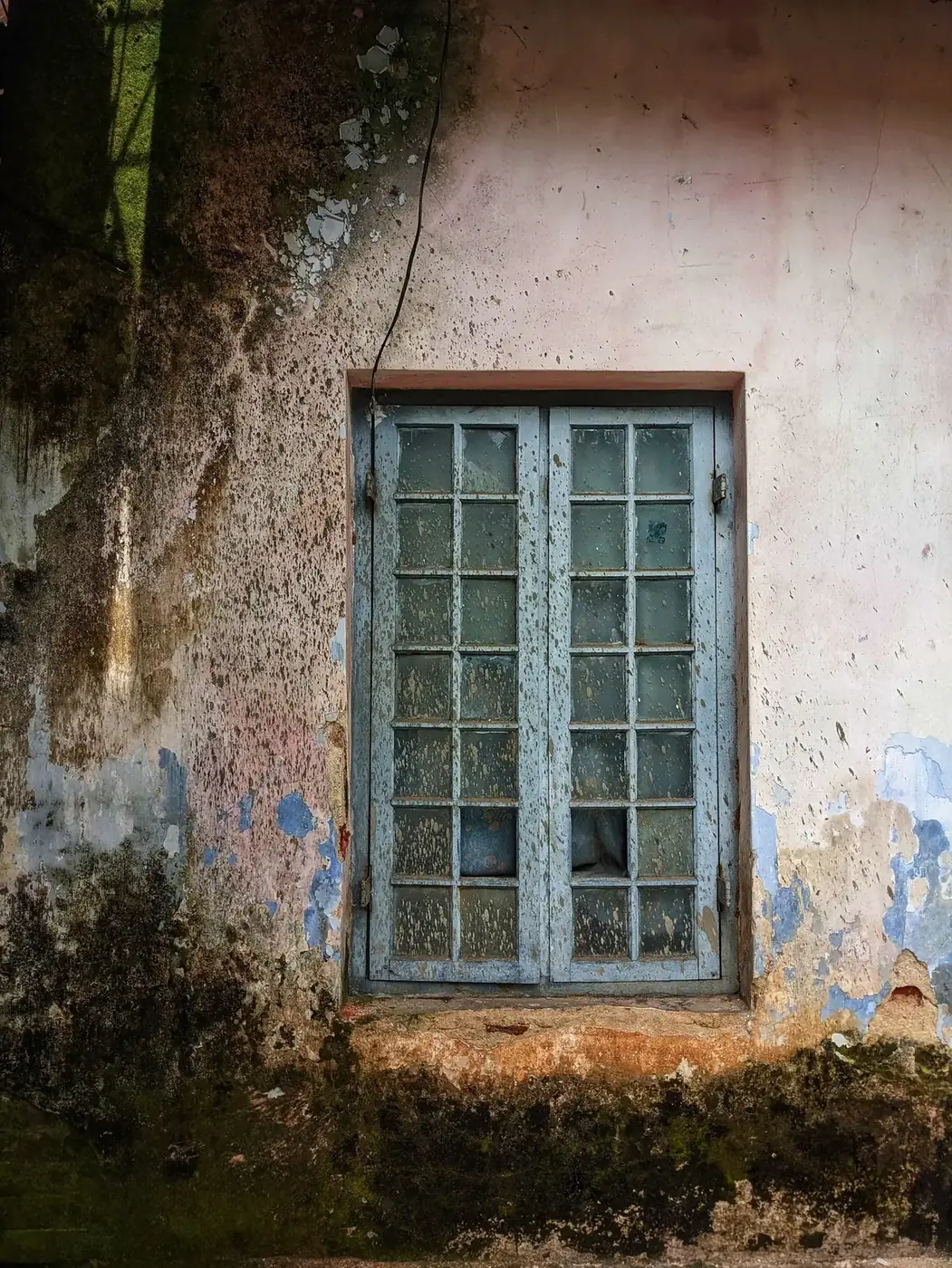
Disturbing mold without containment spreads spores throughout your home. Leave the area undisturbed and call our certified team.
Live dispatcher — available 24/7, including holidays.
Request Free Inspection →Mold remediation is the professional process of identifying where mold is growing in a property — including areas that aren't visible — containing it so it doesn't spread during removal, safely removing mold-affected materials, treating remaining surfaces, and most importantly, identifying and correcting the underlying moisture source so the mold doesn't return.
The word "removal" suggests that mold can simply be eliminated from a space, but that's not quite accurate. Mold spores are naturally present in nearly every home and environment — that's normal. The problem occurs when those spores find moisture and a food source (like drywall paper or wood) and begin to colonize. Remediation is about reducing mold levels back to a normal range and eliminating the conditions that allowed it to grow.
In Lilburn, GA and across Gwinnett County, Georgia's high humidity makes mold a faster-moving threat than in drier climates. Mold can begin developing within 24 to 48 hours of water exposure, which is why it so frequently follows unaddressed water damage — even water damage that appeared to be "cleaned up." If the structural drying wasn't done properly, trapped moisture inside walls and subfloor creates the conditions mold needs to grow unseen for weeks or months.
The most common cause of mold we find in Gwinnett County homes is water damage that wasn't fully dried at a structural level. A burst pipe, appliance leak, or basement flood that was "cleaned up" without our full water damage restoration process leaves moisture trapped inside walls and subfloor — which feeds mold growth within days to weeks after the initial event. Our guide on how fast mold grows after water damage breaks down the exact timeline.
Georgia's climate creates high indoor humidity levels that, without adequate ventilation, create persistent moisture conditions in bathrooms, crawl spaces, and basements. HVAC condensation, poor ventilation in attics, and chronic leaks around windows or plumbing fixtures all create ongoing moisture that supports sustained mold growth.
Slow leaks — from a roof, around window flashing, or from supply lines behind walls — often go undetected for months. By the time a stain appears on a ceiling or wall, mold has typically already been growing inside the wall cavity for an extended period, often beyond what surface remediation can address.
Mold isn't always visible — in fact, hidden mold is often the most serious kind. Here are the three main categories of signs that tell you a professional mold inspection is warranted:
Black, green, white, or gray spots on walls, ceilings, grout, or around windows. Any visible mold growth — even small amounts — should be inspected professionally, as the visible patch is rarely the full extent of the colony.
A musty, earthy smell that doesn't go away with cleaning or ventilation — particularly in basements, crawl spaces, or rooms with a history of water damage — is one of the most reliable early indicators of hidden mold growth inside walls or under flooring.
Increased allergy symptoms, respiratory irritation, persistent coughing, or worsening asthma that seems to improve when away from home are common signs of mold exposure — particularly in children, elderly residents, or those with existing respiratory conditions.
A few smart steps in the first few minutes can limit damage and keep everyone safe. Here's what we recommend while you wait for our team.
Effective mold remediation isn't just removing what's visible — it's a structured process that prevents spores from spreading during removal and addresses the root cause so the mold doesn't come back.
We assess visible growth and use moisture detection to find hidden mold inside walls, under flooring, and in crawl spaces. We identify the moisture source that allowed mold to develop in the first place.
We seal off the affected area using physical barriers and negative air pressure to prevent mold spores from spreading to unaffected rooms during the removal process — a critical step often skipped by less experienced crews.
HEPA air scrubbers capture airborne mold spores released during remediation, keeping spore counts in adjacent areas from rising during the work — protecting both your home and our technicians.
Mold-affected materials — drywall, insulation, flooring — are safely removed and properly disposed of. Remaining surfaces are treated with antimicrobial solutions that eliminate the mold colony.
We identify and address the underlying moisture issue — whether a plumbing leak, inadequate drainage, poor ventilation, or failed waterproofing — so the mold doesn't return once the space is restored.
We restore replaced materials and provide a complete documentation package — inspection findings, remediation records, and clearance confirmation — for your insurance claim and peace of mind.
A lot of "mold removal" services clean what's visible and leave it at that — without identifying the moisture source. The mold returns within months and you pay for the same job twice.
Prompt inspection scheduling — we know mold spreads fast in Georgia's humidity and treat every call urgently.
Certified technicians trained in professional mold remediation protocols — not a general cleanup crew.
Full documentation, adjuster coordination, and direct billing when coverage applies.
Moisture mapping, thermal imaging, HEPA air scrubbers — we find the mold you can't see and remove it completely.
We fix the moisture source as part of every job — if we don't address what caused the mold, the job isn't done.
We provide a free on-site inspection with a clear, accurate estimate before any work begins.
We bill your insurance directly when coverage applies — call us to discuss your specific situation.
Mold Remediation isn't one-size-fits-all — a home and a business have different priorities, timelines, and documentation needs. Here's how we tailor our approach for each.
Mold complaints in a rental unit or commercial space are a liability property managers can't ignore — tenants expect a fast, documented response. We inspect, contain, remediate, and hand over clearance documentation you can share with residents, owners, or legal counsel.
We work with property managers, HOA boards, and building owners across Gwinnett County — call ahead to set up your property on file for priority emergency response.
Request a Property Management QuoteWe're based at 733 Mary St NW, Lilburn, GA 30047. Georgia's humidity makes mold a faster threat here than in drier states — which is why we prioritize rapid inspection scheduling across Gwinnett County.
Established DeKalb County community.
View Mold Remediation in Tucker →Dense residential and commercial Gwinnett city.
View Mold Remediation in Norcross →Large Gwinnett residential community.
View Mold Remediation in Snellville →Gwinnett County seat.
View Mold Remediation in Lawrenceville →Western DeKalb, near Lilburn border.
View Mold Remediation in Stone Mountain →Northwest Gwinnett near Chattahoochee.
View Mold Remediation in Duluth →"Found black mold behind our bathroom wall after a slow leak. Water Damage Fix Team found the source of moisture, removed the mold completely, and repaired the wall. It hasn't come back and that was 8 months ago."
"We had a musty smell in our basement for months before we finally called. They found mold growing behind the drywall — much more than we expected. Thorough job, professional team, insurance covered most of it."
"My daughter has asthma and her symptoms kept getting worse at home. Turned out there was hidden mold from an old roof leak. After remediation her symptoms improved significantly. Wish we'd called sooner."
Mold spreads fast in Georgia's humidity — and the longer it sits, the more it costs to remove properly. Call Water Damage Fix Team for a fast inspection and certified mold remediation across Lilburn, GA and Gwinnett County.
Call Now: (470) 275-1049 Request Free InspectionIn Georgia's climate, mold can begin developing inside wet structural materials within 24 to 48 hours of water damage. Professional mold remediation takes 1 to 5 days depending on the extent of growth and affected materials.
| Mold Growth Start | 24–48 hours after water damage in Georgia |
| Remediation Timeline | 1–5 days depending on extent |
| Method | Containment, HEPA filtration, safe removal, moisture correction |
| Technicians | Professionally trained & certified |
| Insurance | Often covered when caused by covered water event |
 Water Damage